Mental Health & Resilience
 Leadership Development
 Physical Wellbeing
 Workplace Culture
Research led by Steven Cole (UCLA) and colleagues, published in the Proceedings of the National Academy of Sciences in 2013, examined the effect of happiness on the immune system. In this study of positive psychology, the gene-expression of immune cells was mapped out from blood samples, and the results compared to psychological profiles of each participant.
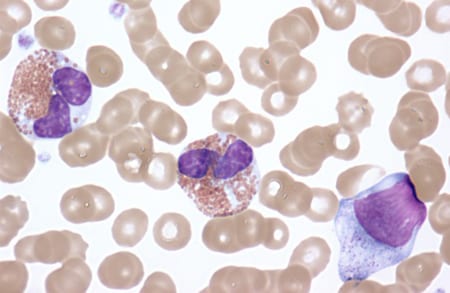
It’s already known that this gene-expression mechanism is affected by stress and anxiety. Your immune system responds when faced with threats and difficult mental situations, by shifting its focus to fighting injury at the expense of antiviral processes. It’s one of the reasons that long-term stress can make you physically sick.
However, this study showed very different results between people who experience different types of happiness. Joy arising from fulfillment and purpose had a positive effect on antiviral immunity, while short-term and self-serving pleasure had a negative effect similar to experiencing stress.
Lead author and psychoneuroimmunology expert Steven Cole: “What this study tells us is that doing good and feeling good have very different effects on the human genome, even though they generate similar levels of positive emotion… Apparently, the human genome is much more sensitive to different ways of achieving happiness than are conscious minds.”
Full study: Proceedings of the National Academy of Sciences
Positive Psychology workshops:
HSG can tailor positive psychology training to suit your workplace. Our offerings include (but not limited to):
1.5 hour, half day, full day trainings or a series of 1 hour “Lunch ‘n’ Learn” Sessions.